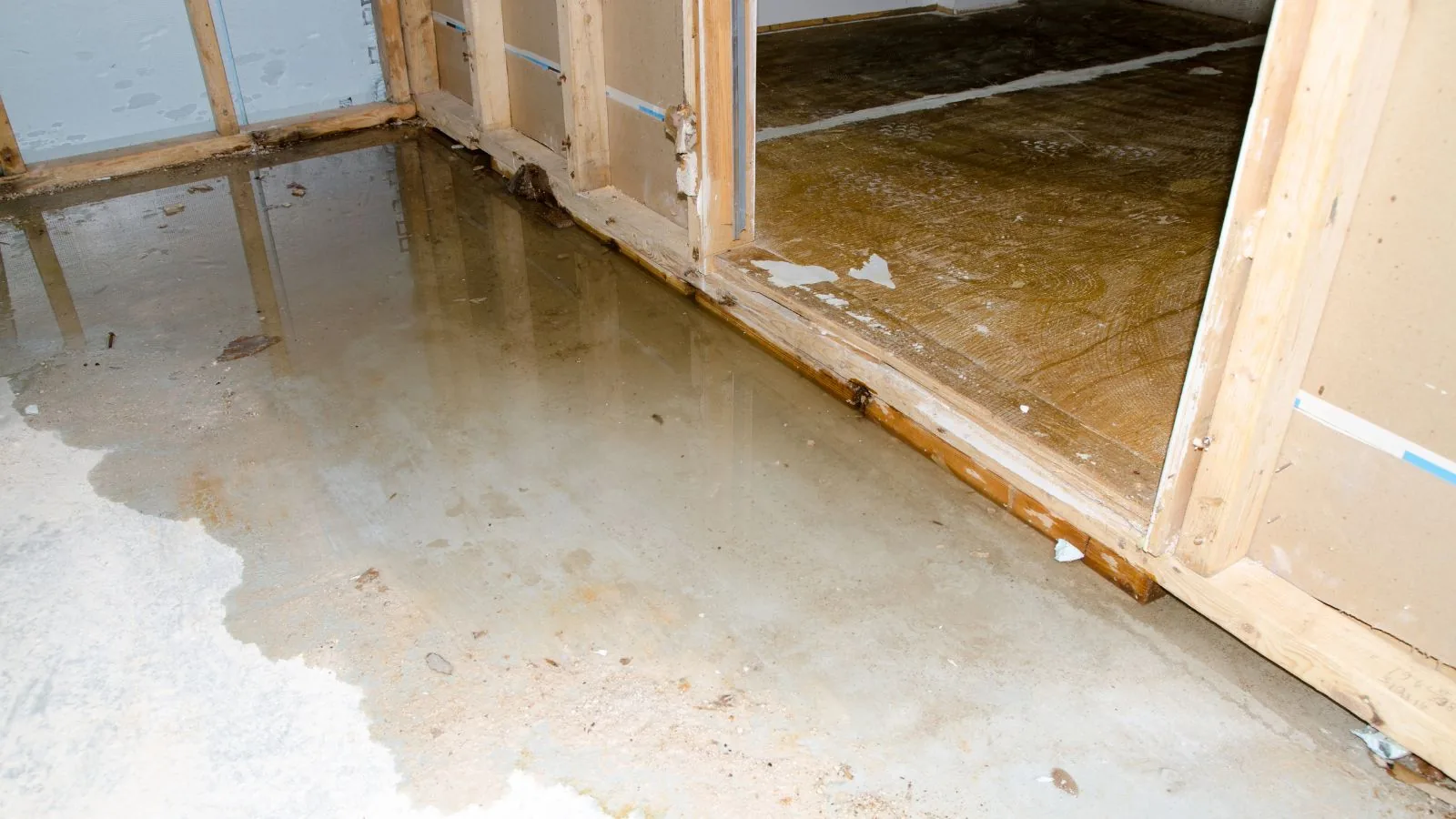
Basement water damage cleanup is the removal of water from a below-grade level and the drying of floors, walls and any finished materials. A basement can flood from rain, groundwater, a failed sump pump, a burst pipe or a sewer overflow, and the cause shapes the cleanup. Our line is open 24/7 for Greenwich callers.
Stay out of a basement with standing water if there is any chance the panel, outlets or appliances are submerged. If the water is rising from outside, the Town of Greenwich advises waiting until floodwater drops below basement level before pumping, and turning off the furnace and the gas valve at the appliance if it is safe.
Basement flooding emergency: when to wait and when to call
- Do not enter water that touches the electrical panel, outlets or appliances.
- Do not pump a basement while floodwater is still high outside.
- Move to the first floor and call 911 for any electrical, gas or structural danger.
- Photograph the water line on the walls before it drops.
- Call the 24/7 line and tell us where the water is coming from.
Where the water comes from
Rain and groundwater
Heavy rain raises the water table and pushes water through floor joints and cracks.
Sump or drain failure
A pump that fails or a clogged drain lets water rise on a dry day.
Plumbing
A burst pipe or water heater leak fills a basement from inside.
Sewer overflow
A backed-up drain sends contaminated water into a lower level, see sewage backup cleanup.
The Town of Greenwich recommends sewer trap check valves in its storm-flooding guidance and warns that a homeowner policy probably does not cover flooding. Ask your insurer about a sewer backup endorsement and flood coverage.
Cleanup and drying of a below-grade level
- Safety check. We confirm power, gas and water are safe before entering.
- Pump and extract. Pumps clear deep water, then extraction units remove water from carpet and floors.
- Remove wet materials. Carpet, pad, insulation and drywall that cannot dry are removed.
- Map and dry. Moisture readings guide air movers and dehumidifiers across slabs and walls.
- Clean and verify. Hard surfaces are cleaned and readings confirm dryness.
Industry reference
The ANSI/IICRC S500 standard for professional water damage restoration sorts water into categories by contamination and into classes by how much moisture materials absorb. Basement water often moves from clean to contaminated as it sits, which is why the category is checked again at each visit.
Water in the basement?
Stay out of deep water and call the 24/7 line. We explain scope and price before work starts.
Local note on Greenwich basements
Census data lists a median year built of 1957 in ZIP 06830 and 1971 in ZIP 06831, and many Greenwich houses from those eras have basements and finished lower levels. Neighborhoods along waterways, such as Byram and Pemberwick, and low-lying coastal streets in Old Greenwich and Riverside face different water risks than higher ground.
Look up your own address on the FEMA Flood Map Service Center. We do not quote zones, because the map is the authority.
Cleanup is not waterproofing
Restoration dries and repairs what water damaged. Waterproofing changes how water reaches the building, with drainage, grading and sump systems. These are different trades, and a restoration crew should not promise that water will never return.
After cleanup, ask a drainage or foundation contractor about causes you cannot fix with drying. Also see flood damage cleanup for larger events.
What affects the cost
- Water source and category. Clean, gray and contaminated water need different steps.
- Depth and duration. Longer standing water soaks more materials.
- Finished materials. Carpet, drywall and stored goods raise the scope.
- Drying days. Concrete and block dry slowly.
- Drainage repair. Sump and grading work are separate trades.
Want your real number? Call (914) 732-9604.
Questions about basement water damage
Yes. The line is open 24/7. If water is still rising outside, we explain safe timing for pumping.
No. We clean and dry. Drainage and waterproofing are separate specialties.
Floodwater is treated as contaminated by the Town of Greenwich guidance, so protective steps apply.
It depends on how wet the slab and walls are. We measure and report readings daily.