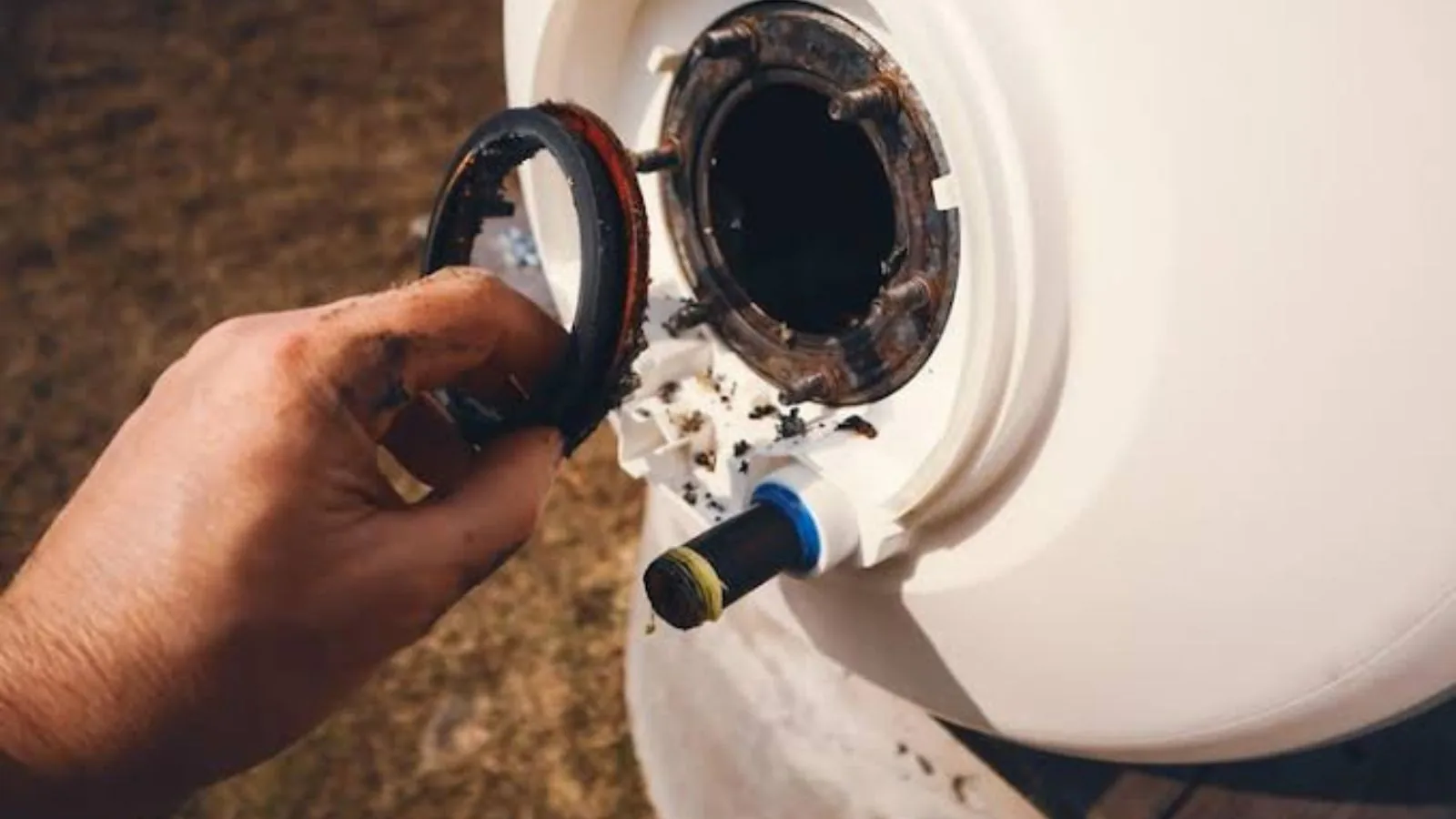
Water heater leak cleanup is the removal and drying of water released when a tank, a fitting or a relief line fails. A tank can hold a large volume of water, and once the shell corrodes through it can empty into a basement or closet within a short time. Our line takes emergency calls 24/7 in Greenwich.
Shut off power to an electric unit at the breaker, or set a gas unit to the off position, then close the cold-water inlet valve on top of the heater. Do not touch a wet unit with bare hands near electric connections, and stay clear of very hot water.
Water heater emergency: shut-off steps
- Power or gas. Turn the breaker off for an electric heater. For gas, turn the control to off and leave the area if you smell gas.
- Cold water inlet. Close the valve on the cold supply pipe above the tank so more water stops entering.
- Drain path. If the tank is still leaking, connect a hose to the drain valve and run it to a floor drain or outside.
- Protect belongings. Move boxes and stored items off the floor and photograph the unit and the wet area.
Why leaks happen and where Greenwich tanks sit
A steady drip at the base often means the tank has corroded through, while a leak at the top usually points to a fitting, a relief valve or the inlet connections. Many Greenwich homes keep the tank in a basement, a utility closet or a mechanical room, which means the water goes straight to a floor drain or to a finished floor next door. Homes with finished basements in Cos Cob, Riverside and Old Greenwich have the most to lose.
Slow leaks do the most hidden harm. A small weep onto a concrete floor evaporates, but one that wicks into a wall base or a stored cardboard box can rot materials for weeks.
Cleanup and drying
Crews extract standing water, pull baseboards if they are wet, and read moisture in the wall base and floor edge. A tank leak is normally clean water, which helps because most materials can be saved if they are dried promptly. Hot water raises humidity in the room, so dehumidifiers matter more than usual.
We do not replace the heater, so call a plumber for that, and ask the plumber to check the pan, the drain line and the relief valve at the same visit. For longer leaks that went into walls, see basement water damage cleanup for the full process.
Industry reference
Water from a tank is usually treated as clean water under the ANSI/IICRC S500 categories, but it can pass through hot surfaces and old materials that change the picture. The standard's drying goals apply once the tank is shut off and the standing water is removed.
Tank leaking or flooded?
Turn off power and the cold inlet, then call the 24/7 line. We explain scope and price first.
Signs a water heater is leaking now
- Water or rust stains on the floor near the tank base.
- A hissing or dripping sound from the relief valve discharge pipe.
- Warped baseboards or a musty smell in a nearby room.
- A utility bill that rises without explanation.
Options once the water is out
If the leak was caught quickly, drying in place is often enough and finished materials stay. If water crept into carpet, drywall or stored goods, those pieces are removed and the area dried before anything is rebuilt. A pan with a drain line under the new heater reduces the chance of a repeat.
When the unit sits next to a kitchen or laundry, water can spread further, and appliance leak water damage covers that kind of event.
What affects the cost
- Volume and duration. A fast tank failure versus a slow leak across days.
- Flooring and walls. Concrete dries quickly. Carpet, drywall and wood take longer.
- Stored items. Boxes and furniture in the path may need to be sorted and cleaned.
- Equipment days. Dehumidifiers stay until readings are dry.
- Access. Tight closets slow extraction and drying.
General note on insurance: a sudden tank failure is often covered, while a leak that went on for a long time may not be. Document the unit, keep it for review, and check your policy. Want your real number? Call (914) 732-9604.
Questions about water heater leaks
Yes. The 24/7 line takes emergency calls from Greenwich homes at any hour. Tell us whether the heater is gas or electric and whether the water is shut off.
Yes, until your insurer or plumber says otherwise. The failed tank is evidence of what happened.
It usually starts as clean supply water, but it can pick up rust, sediment and floor contaminants. We assess it on site.
No. We clean up and dry. A plumber replaces the heater.