Water Damage Guides for Greenwich Homeowners
Answers to the questions owners ask after a leak, from insurance and mold to estimates, permits and selling.
These guides are written for people who want to understand the problem before they spend money on it. Each one uses plain language, local facts where they matter and a short checklist you can use the same day. Where a guide refers to a standard, such as the ANSI/IICRC S500 standard for water damage restoration, it says so.
If water is spreading right now, skip the reading and call the 24/7 line.
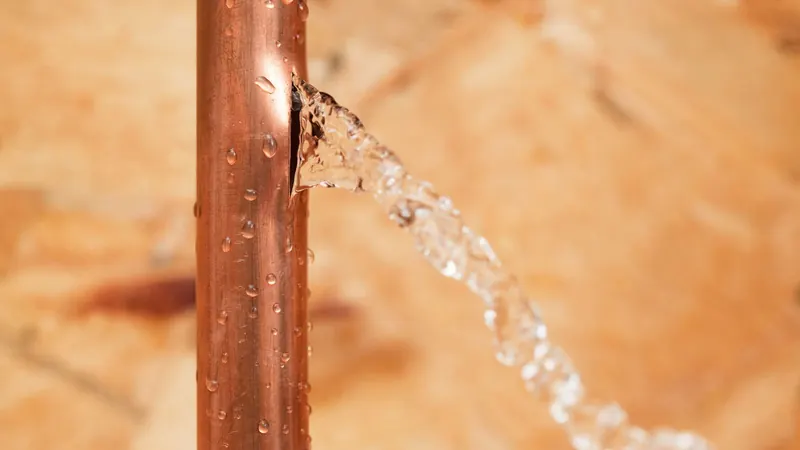
Does Homeowners Insurance Cover Water Damage in Greenwich?
Most policies treat a sudden pipe failure very differently from a flood or a slow leak. Here is how the common situations usually sort out before you open a claim.
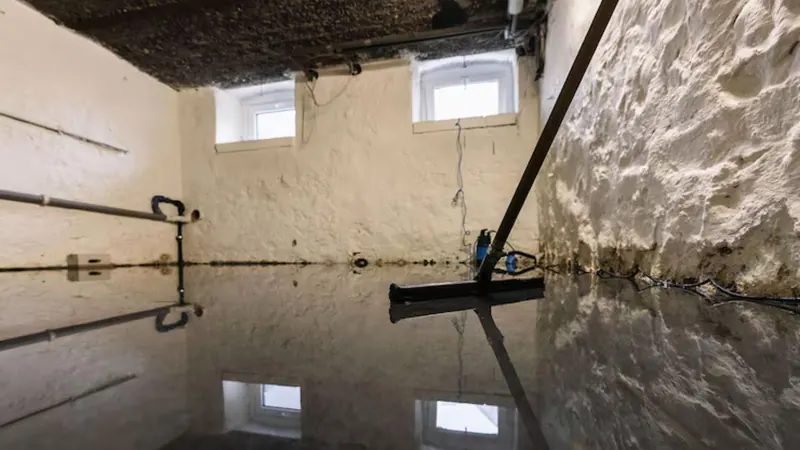
Water Damage Insurance Claims in Greenwich: A Practical Order of Steps
A claim goes more smoothly when the water is stopped, the damage is documented and the drying records are kept in one place. This is the order that tends to help.
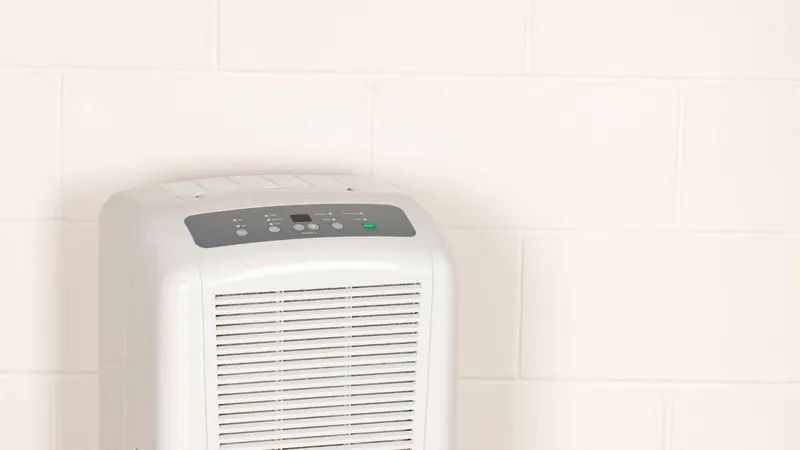
Moisture Mapping After Water Damage in Greenwich Homes
A wall can look dry while the framing behind it is still wet. Moisture mapping turns hidden water into numbers so drying can be planned and proven.
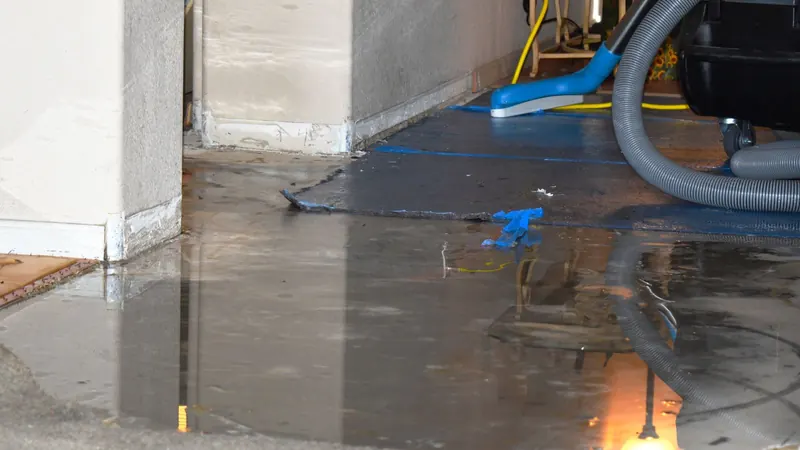
Water Damage Assessment in Greenwich: What to Expect
The first visit sets the plan for everything after it. An assessment finds the source, sorts the water by contamination level and measures how far it spread.
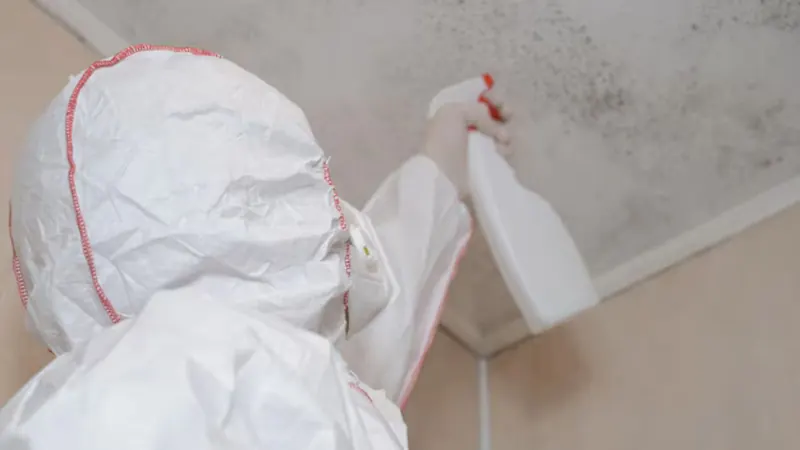
How Much Does Mold Remediation Cost in Greenwich?
No single number fits every home. Mold cost follows the size of the affected area, the materials involved, containment and whether the moisture source is fixed.
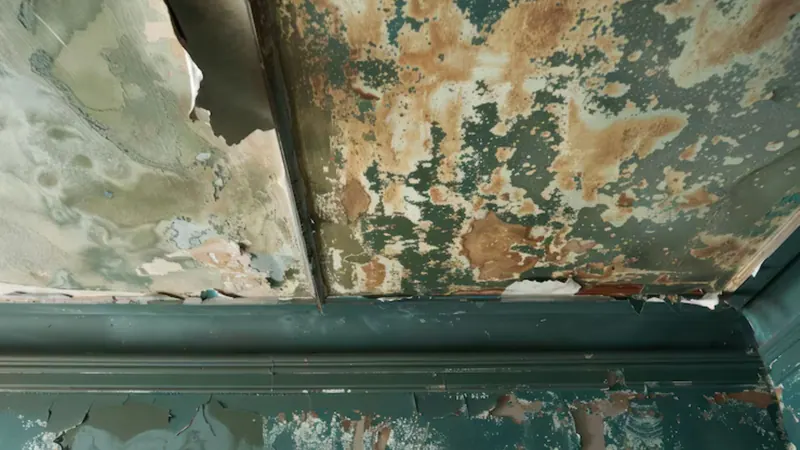
Bathroom Mold Removal in Greenwich: What You Can Handle and What You Cannot
A little black on the caulk is a cleaning job. Mold that keeps returning, or that sits on a wall or ceiling, usually means water is getting where it should not.
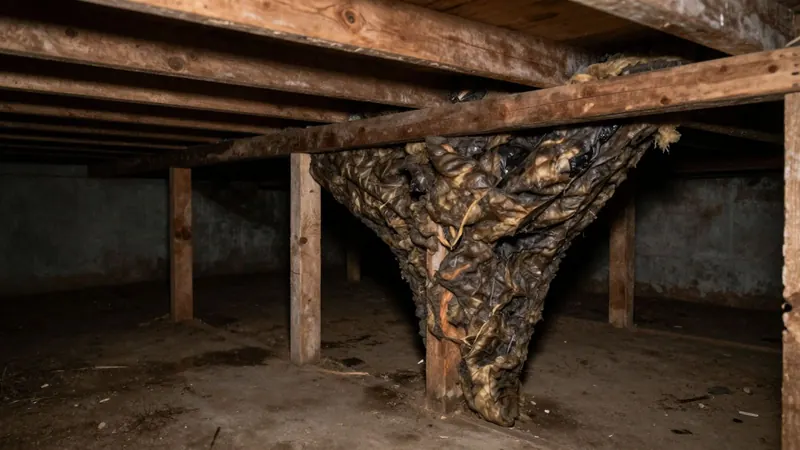
What Kills Mold Permanently? A Straight Answer for Greenwich Homes
No product kills mold permanently if the damp stays. The lasting fix is removing the moisture, then cleaning or removing what mold has grown on.
Water Damage Restoration vs Remediation in Greenwich: The Difference in Plain Terms
The words sound alike and companies use them loosely. Knowing what each one means helps you compare quotes and understand who is doing what.
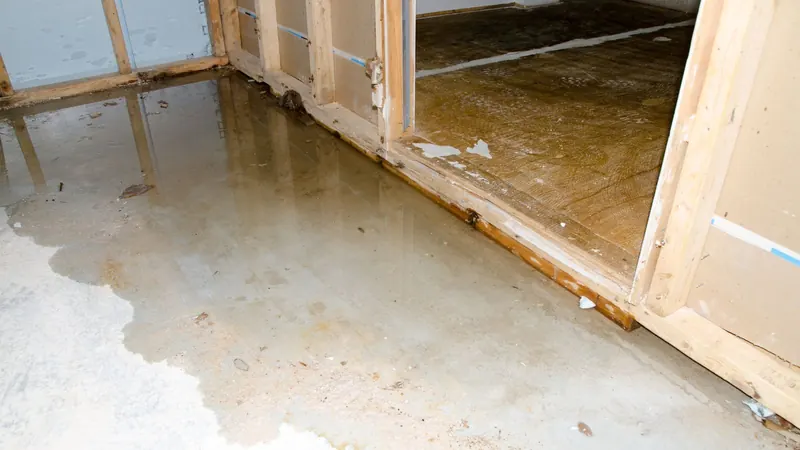
Water Damage Restoration Estimate: How to Read One in Greenwich
An estimate is only useful if you can see what it covers. Learn the common line items, the factors that move the price and the questions that expose gaps.
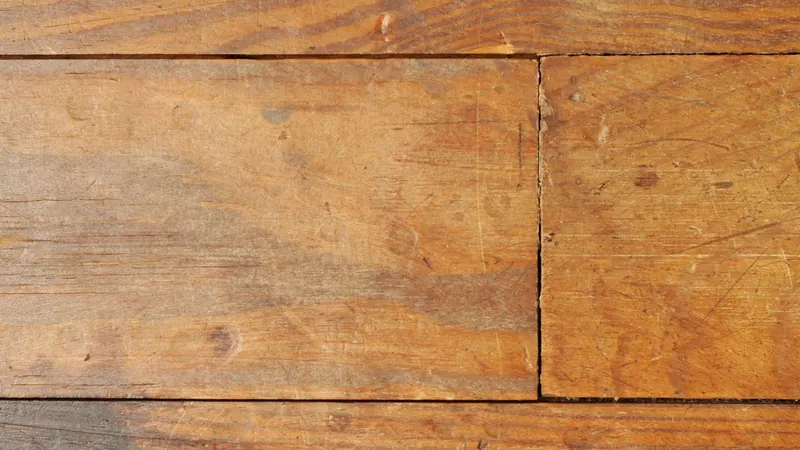
Water Damage Scope of Work: What a Good One Includes in Greenwich
A scope of work is the written plan for a restoration job. It tells you what will be done, in what order and how the end of the job is decided.
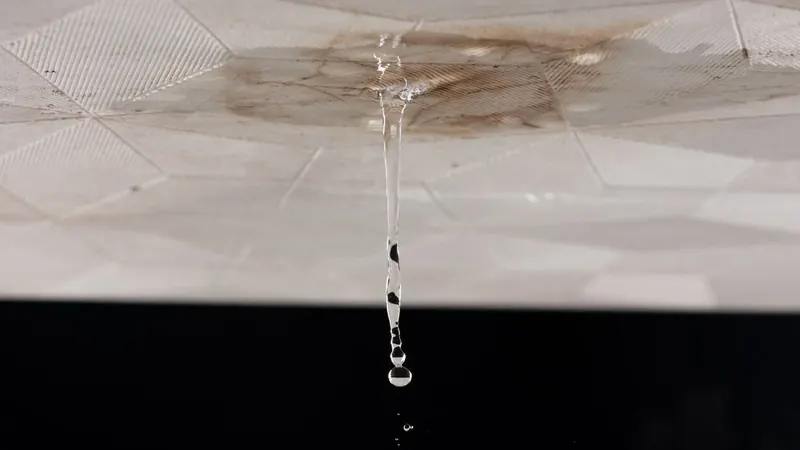
Do You Need a Permit to Repair Water Damage in Greenwich?
Drying a house rarely needs a permit. Rebuilding can, depending on what is touched. Here is how to tell the difference before work starts.
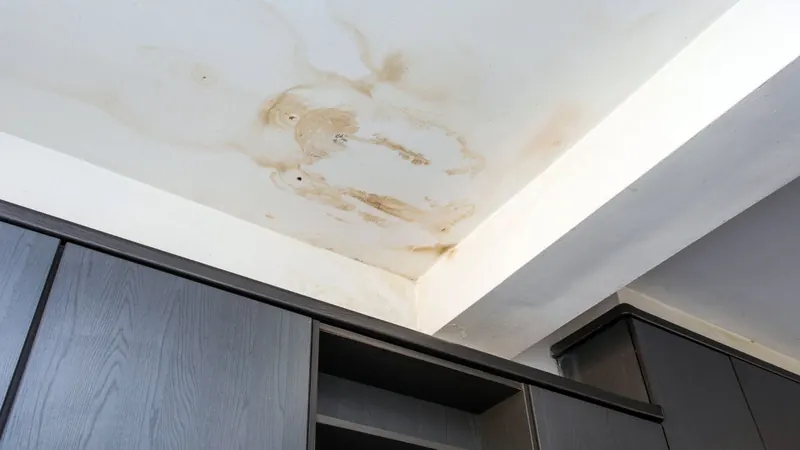
Selling a House With Water Damage in Greenwich: Repair, Disclose or Sell As Is
Water damage does not end a sale, but hiding it can. Connecticut sellers are expected to disclose what they know, and documentation makes the conversation with buyers easier.
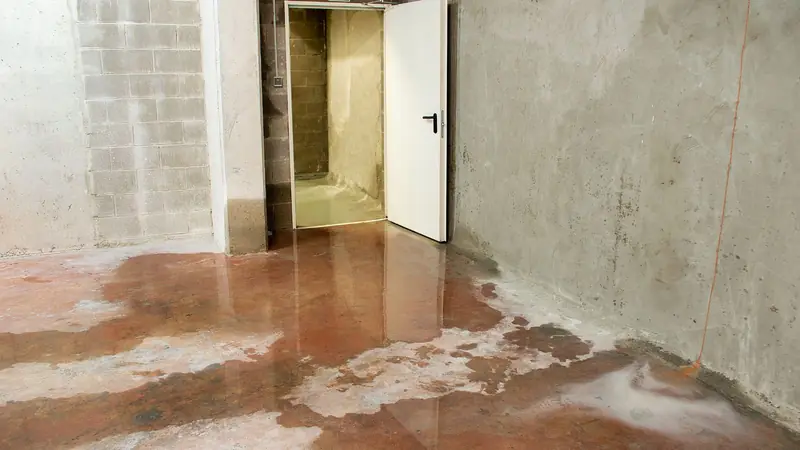
Sudden Jump in Your Water Bill in Greenwich: How to Check for a Hidden Leak
A bill that suddenly doubles is often the first sign of a leak you cannot see. A simple meter test can tell you in about half an hour whether water is escaping.
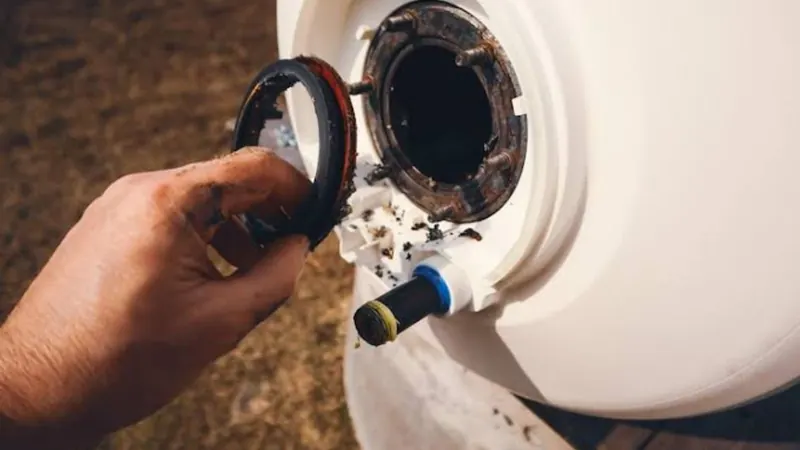
Water Damage in a Rental in Greenwich: What Tenants and Landlords Should Do
When water gets into a rental, speed and records protect everyone. Tenants should report in writing, and landlords should stop the water and begin drying.
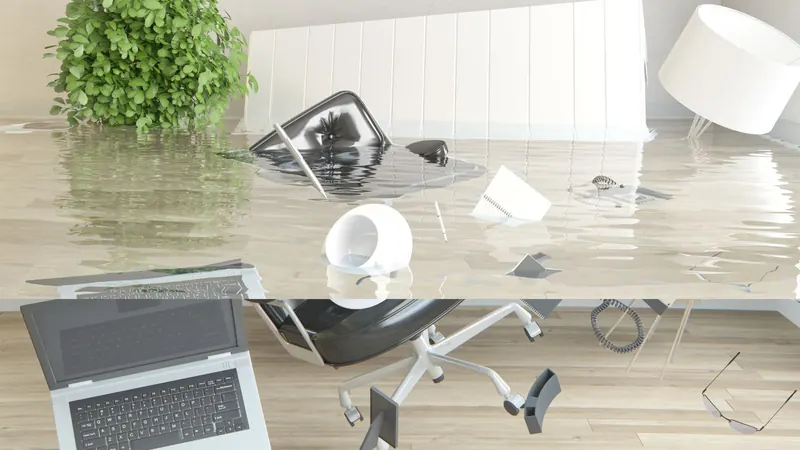
How to Choose a Water Damage Restoration Company in Greenwich
When water is spreading, it is tempting to take the first call that answers. A few questions will tell you quickly whether a company can do the job properly.
Water damage right now?
Call the 24/7 line. Same-day response when available. Same-day response when available, including after hours.