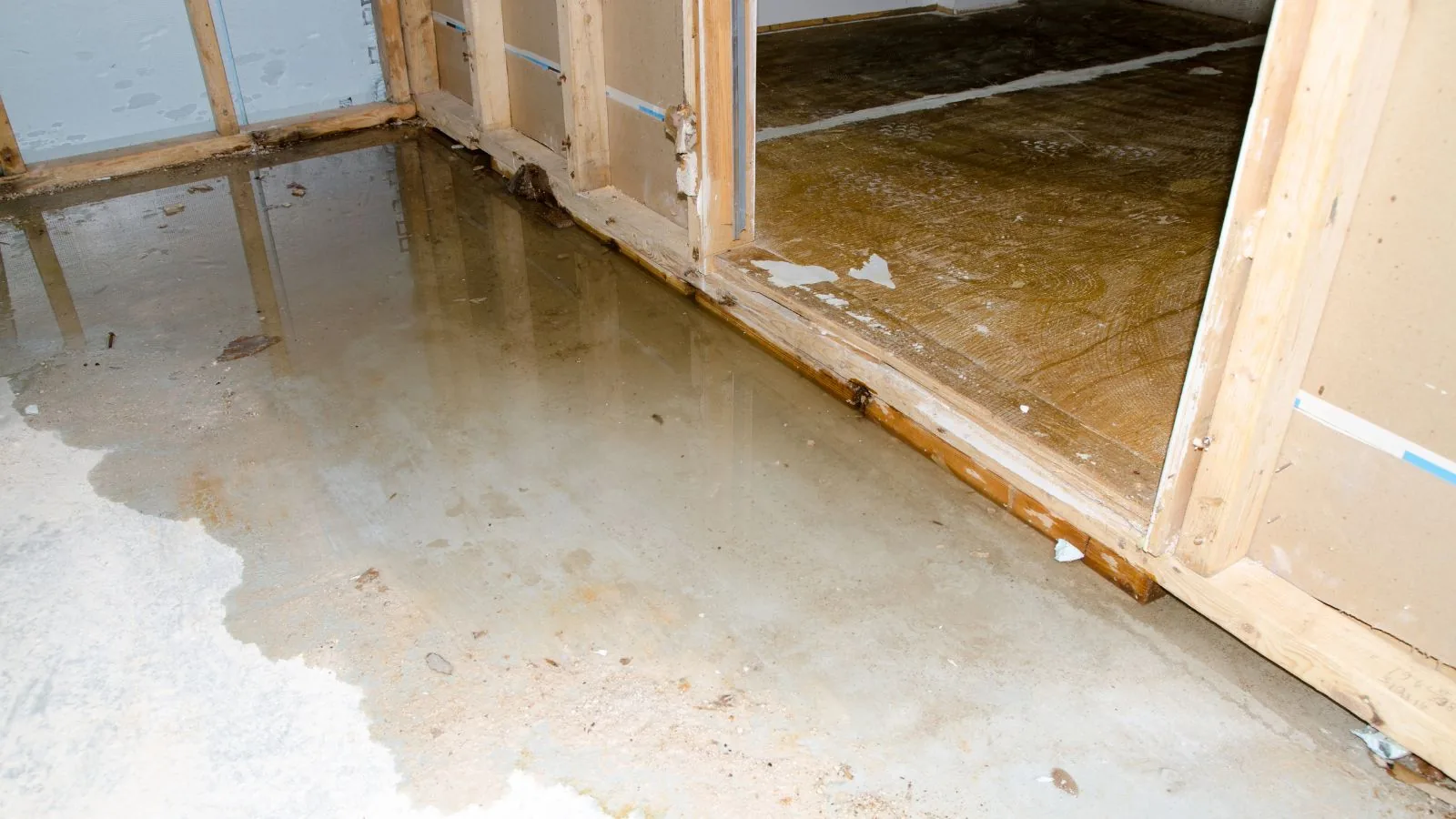
A restoration estimate can look like a wall of codes and numbers. Behind them is a short list of tasks that repeat on almost every job.
This guide breaks those tasks down so you can read an estimate line by line and compare more than one.
What an estimate usually contains
- Emergency response. The first visit, source check and protection of the area.
- Water extraction. Removing standing water with pumps and extractors.
- Demolition and disposal. Cutting out wet drywall, insulation, flooring or pad that cannot be saved.
- Drying equipment. Air movers and dehumidifiers priced by the day.
- Monitoring. Visits to re-read moisture and adjust equipment.
- Cleaning and treatment. Cleaning surfaces and applying antimicrobial where appropriate.
- Contents handling. Moving, cleaning or storing belongings.
What moves the total
Square footage of the wet area is the biggest factor, followed by the type of material. Water in a tile bathroom floor is simpler than water under hardwood over a crawl space. Water category also matters, since sewage and flood water require removal of porous materials.
The number of drying days depends on how wet the structure was and how fast it responds. Estimates often assume a typical range and adjust as readings come in.
Fixed price or itemized
| Format | Strength | Watch for |
|---|---|---|
| Itemized with quantities | Easy to compare and to adjust | Quantities can change after demolition |
| Fixed scope price | Clear total up front | Must list what is excluded |
| Time and materials | Fits uncertain jobs | Needs a cap or regular updates |
Any of these can be fair. What matters is that you can see what you are paying for and what happens if the job grows. Our structural drying page shows how drying days are determined.
Questions to ask before approving
- What rooms and materials are in the scope?
- How many equipment days are assumed, and what if it takes longer?
- Is monitoring included, and are readings shared?
- What is excluded, such as rebuild or contents?
- When is payment due, and what does it cover?
Red flags
Be cautious with an estimate that gives only a total, uses vague terms like miscellaneous or refuses to explain a line. A very low number can also hide a short scope. Compare the work listed, not just the bottom line.
A written scope is not the same as a guarantee of an insurance payout. Insurers review their own estimates, so keep both documents and compare them.
A short example of reading a line
Take a line that reads dehumidifier, four days, two units. It means two dehumidifiers priced per day for four days. If readings show the structure is dry in three, a fair company reduces the days. If it takes six, the extra days should be explained by readings.
This is why daily monitoring is part of the cost of a job. It is the evidence behind the equipment lines.
Estimates and insurance payments
If you file a claim, your insurer may send an adjuster who writes a separate estimate. The two numbers can differ because of different scopes, pricing sources or assumptions about what can be dried. Ask for both in writing and compare them side by side.
Keep photographs and moisture logs, since they back up the equipment and days on your invoice.
A restoration company cannot promise what your insurer will pay. It can explain the work, show the readings and answer questions from the adjuster.
Finally, ask when the estimate expires and what would cause it to change. Prices for materials and equipment days can shift, and you should know how long the numbers hold. A clear answer is a good sign that the company has thought through the job.
If you are comparing two companies, ask both to price the same list of rooms and materials. Then the difference between them reflects method and equipment rather than a different idea of the job. That comparison is the most reliable way to judge a restoration estimate.
What to do before you approve work
- Take photographs and notes of every wet room.
- Ask for the scope in writing before you sign.
- Do not agree to demolition you have not seen.
- Do not sign a blank authorization.
- Keep your own copy of everything.
Ask whether the drying plan follows the ANSI/IICRC S500 standard, because its drying goals are the measure a fair estimate should be built on.
Want a clear scope and price?
Call the 24/7 line. We explain scope and price before work starts.
If your estimate includes the removal of wet drywall or paneling, our wall and drywall water damage repair page describes what happens before the rebuild.
Pricing questions in Greenwich
Greenwich properties often include large floor plans, finished lower levels and expensive finishes. That means the same leak can affect more material than it would in a smaller home, and the estimate can grow as readings reveal the true extent.
Condos and apartments in Stamford and homes in Georgetown face different challenges, such as shared walls or older materials. Ask the company how those factors are reflected in the scope.
A Greenwich question
Because the size, source, materials and drying time differ on every job. A price that ignores those would be a guess.
Yes, if demolition reveals more wet material. A written change to the scope keeps the final price clear for both sides.
For a large loss, yes. Make sure each one covers the same scope and the same rooms, so you compare like with like and can see where methods truly differ.
Still have a question about your situation? Call the 24/7 line at (914) 732-9604 and describe what you see.