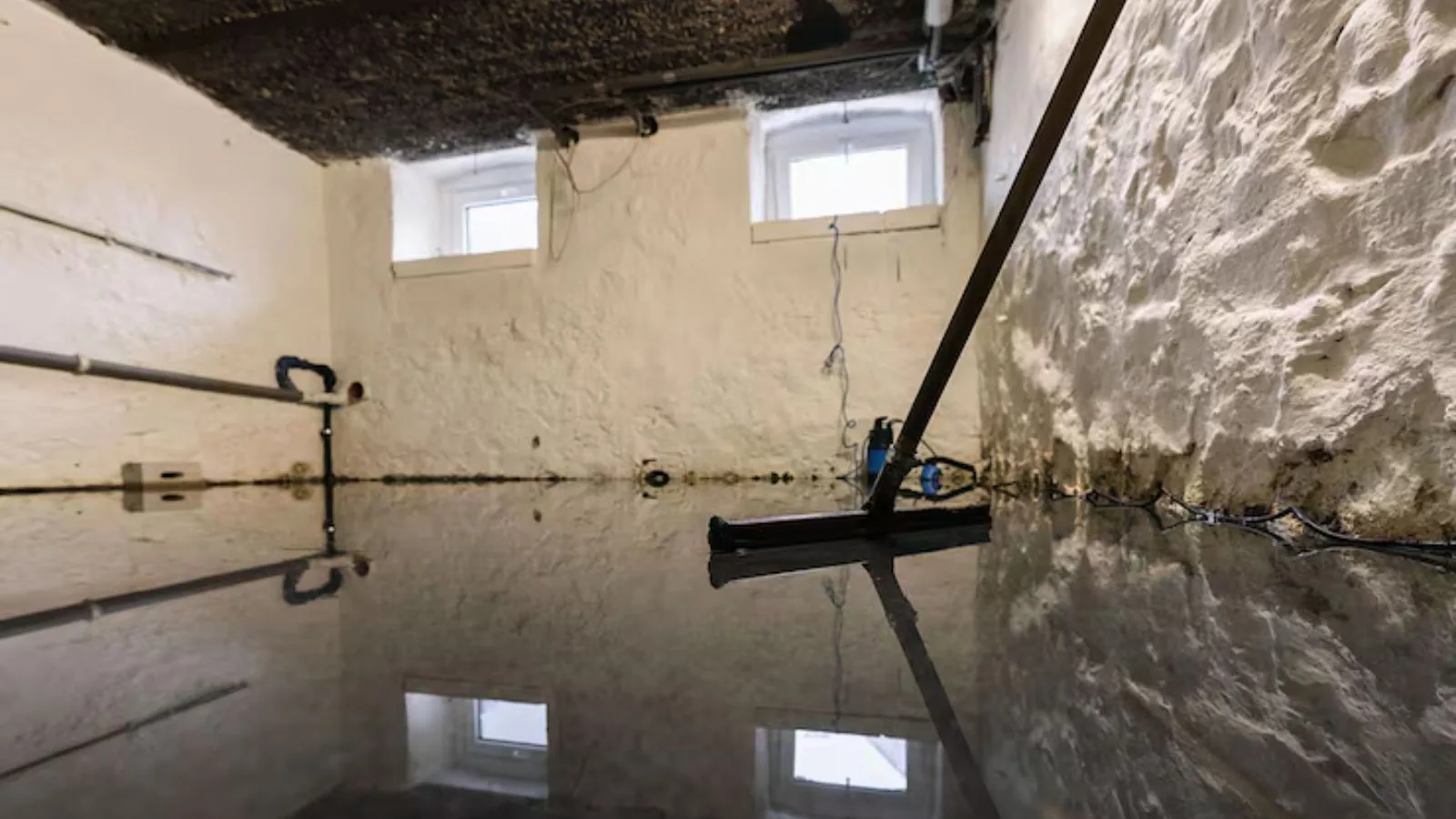
Opening a water damage claim while your floors are wet feels rushed. The good news is that the order of steps is fairly predictable, and a few early habits protect both the house and the claim.
This is general information and not legal advice. Your insurer sets the process for your policy, so follow their instructions where they differ.
Step one is always stopping the water
Close the main shut-off or the nearest fixture valve, and cut power to wet areas only if the panel is dry and safe to reach. Most policies expect you to prevent further damage, and acting quickly usually keeps the loss smaller. If water is coming through a ceiling, move belongings out from under it.
Then call a plumber if a pipe or appliance failed. Our guide to burst pipe water damage lists what to do in the first hour.
Document before you clean
- Photograph and video. Capture each room, the source, ceilings, floors, baseboards and any damaged contents before anything moves.
- List belongings. Record item, rough age and replacement cost. Keep receipts if you have them.
- Save evidence. Keep a failed hose, valve or fitting in a bag, labeled with the date.
- Write a timeline. Note when you first saw water, what you did and who you spoke with.
Reporting the loss
Call the claim line or use your insurer's app and ask what documents they want. Write down the claim number, the adjuster name and the date of each call. Ask whether they want an inspection before major demolition.
Be accurate and calm in describing the cause. Say what you observed rather than guessing, because an estimate of the cause can be recorded as fact.
Emergency work and ongoing drying
Most policies allow reasonable emergency measures, such as extraction and drying equipment, while the claim is reviewed. Keep every invoice and the daily moisture logs. A restoration crew can provide readings from each day, which show how wet the structure was and when it reached dry standards.
Our structural drying and dehumidification page explains how those readings are taken and what a dry standard means.
Keep a single claim folder
Put photos, receipts, emails, moisture logs and adjuster notes in one folder, digital or paper. When the estimate arrives, you can compare it against your own records line by line.
Reviewing the estimate
An adjuster's estimate lists the scope they agree to pay for. Compare it with the restoration scope and with your own list of damaged rooms and materials. If an item is missing, ask in writing and attach the photo or reading that supports it.
Depreciation, deductibles and sublimits can reduce what you receive, so ask your insurer to explain each reduction in plain terms. If you disagree, your policy usually describes a dispute or appraisal process.
- Ask what documents are required before work begins.
- Confirm whether there is a dollar limit on water damage.
- Ask how contents and structure are handled separately.
- Keep copies of everything you send.
- Do not sign off on a final payment until drying and repairs are done.
Common mistakes that slow a claim
- Throwing away damaged items before photographing them.
- Waiting days to report because the leak seemed small.
- Guessing at the cause in writing instead of describing what was seen.
- Signing a final release before drying and repairs are finished.
- Letting calls and emails pile up without a log.
Most of these are easy to avoid. A single folder, a call log and a rule to photograph first cover nearly all of them.
When the claim is denied or reduced
Ask for the denial or reduction in writing, with the policy language the insurer relied on. Compare it with your declarations page and endorsements. Many disputes turn on the cause of loss and on dates, so your timeline and photographs matter.
The Connecticut Insurance Department takes consumer questions about claims. You may also want an attorney or public adjuster for a large loss, but that choice is yours and depends on the amount at stake.
Water still on the floor?
Call the 24/7 line. Extraction can start while you open the claim.
Claims after Fairfield County storms
Storms and freezes bring a wave of claims across lower Fairfield County, so adjusters can be slow to schedule visits. If you cannot get an inspection quickly, photograph everything and continue emergency drying so mold does not form while you wait.
Owners near the shoreline should separate wind and rain damage from flood damage when they describe the loss, since flood is generally excluded from standard homeowners policies. Homes in Stamford and Greens Farms often see both causes in the same storm.
A Greenwich question
As soon as you have stopped the water. Many policies require prompt notice, and reporting early does not obligate you to wait for the adjuster before emergency drying.
Emergency drying and protection are usually fine. Hold off on major demolition or replacement until your insurer has seen the damage or given permission.
They help. Daily readings show the extent of wetting and when drying finished, which supports the equipment and time on your invoice.
Still have a question about your situation? Call the 24/7 line at (914) 732-9604 and describe what you see.